Safe Space Mapping: Create Your Personal Support Map
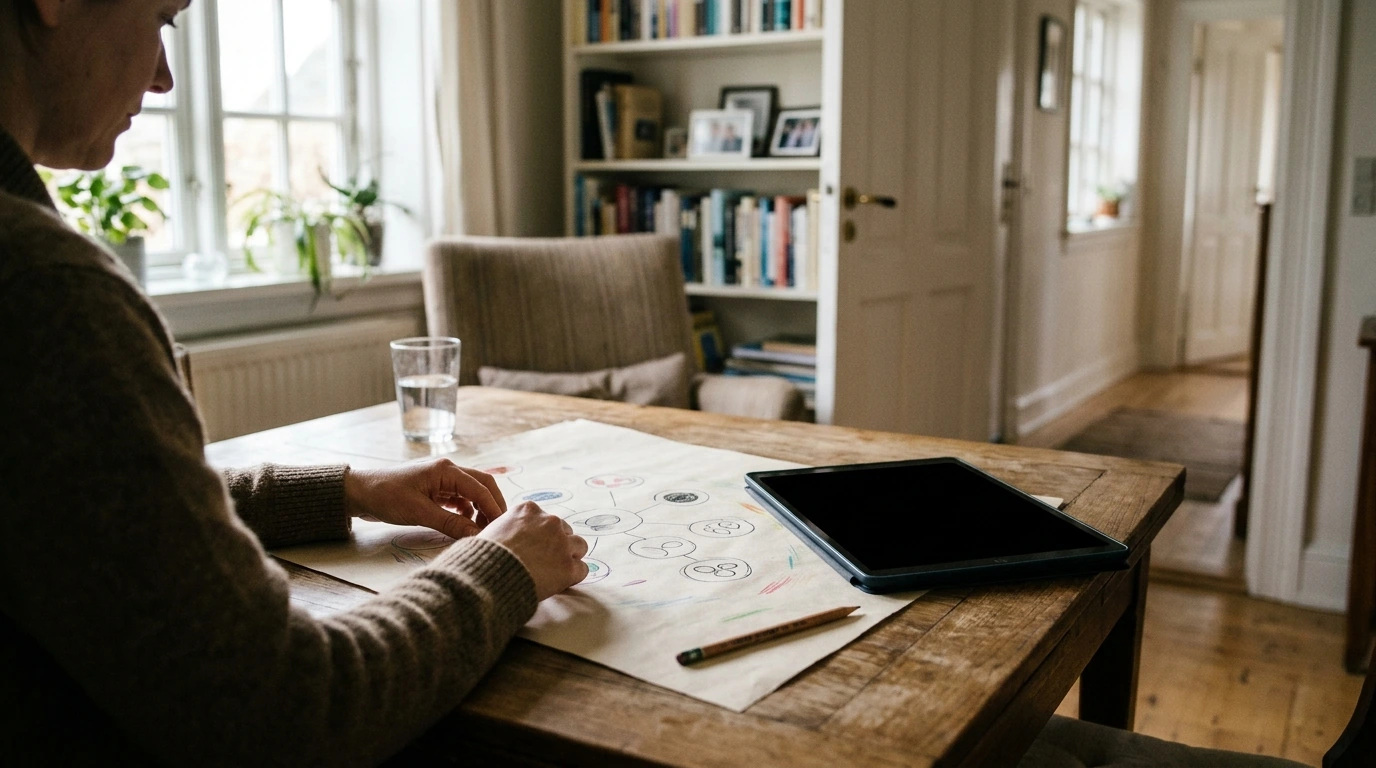
A sense of safety can come from many sources: a familiar place, a person who listens, or a routine that gives you room to pause. Safe space mapping is a way to notice those sources of support and keep them in mind when you need them.
Our digital ebook, A Guide to Safe Space Mapping, offers an opportunity to explore how to understand, create, and use safe spaces at your own pace. You can start with a simple list and adjust it as your needs change.
What Is Safe Space Mapping?
A safe space map is a personal record of places, people, and routines that may help you feel more comfortable and supported. It does not have to look like a geographic map. Yours might be a few notes on paper, a drawing, or a private digital list.
Physical safety and emotional comfort are related, but they are not the same. A place may feel calming while still presenting practical risks, and a physically secure setting may not feel emotionally comfortable. Your needs, circumstances, and options will shape what belongs on your map.
We suggest treating the map as a flexible reflection tool, not a guarantee of safety or a substitute for professional support. For broader context on the effects of trauma and violence, you can explore resources from SAMHSA.
Start With What Helps You Feel Safe
Begin by thinking about moments when you have felt more at ease, even briefly. Was there a familiar setting, a supportive person, or a small action that helped? Your answers do not need to match anyone else’s. A busy café may feel reassuring to one person and overwhelming to another.
Consider practical details alongside your feelings. You might prefer a place with privacy, accessible entrances, manageable noise, or a clear way to leave. A location that works during the day may not be available at night, so it can help to note when you can use it.
People can be part of your map, too. Think about who listens without pressuring you, respects your boundaries, and can be reached when you need support. You do not have to share every detail with someone for their presence to be helpful.
| Area | Questions to explore | Example |
|---|---|---|
| Places | Where do I feel comfortable and able to leave? | A quiet room or familiar public space |
| People | Who listens and respects my boundaries? | A trusted friend or support person |
| Routines | What helps me pause and feel more settled? | A short walk or a quiet break |
There is no need to judge your choices or fill every category at once. If an option no longer feels right, you can remove it and look for another. Revisit your map when your relationships, surroundings, access needs, or daily routines change.
Create and Use Your Own Map
Choose a format that is easy for you to use. You might draw circles for places, people, and routines, write a short list, or save notes on a device. Start with one or two options in each area if that feels manageable.
For each entry, add details that make it useful. You could note how to reach a trusted person, when a location is open, or what helps you get there. Consider an alternative for times when your first choice is unavailable. If leaving a situation is important, think through an exit or transportation option that fits your circumstances.
You can look at your map before a challenging day, when planning a break, or when deciding what kind of support to seek. For example, you might notice that you need a quiet setting first and a conversation with someone you trust afterward. The map is a prompt for making choices, not a set of rules you must follow.
Keep sensitive information private. If names, contact details, or locations could put you or someone else at risk if discovered, consider leaving them out or storing your map somewhere secure. Update or delete entries whenever that makes sense for you.
Explore the Digital Ebook
Our team offers A Guide to Safe Space Mapping for readers who want to spend more time with the ideas of understanding, creating, and using safe spaces. The digital ebook is listed at $16.99; visit the product page for purchase details.
It may be a useful choice if you prefer to explore the subject at your own pace and return to your reflections over time. You can use the ideas alongside your own knowledge of what feels accessible and supportive.
Pair Mapping With Reflection and Support
Journaling can give you a place to notice how your needs and boundaries shift. You might write about a setting that felt comfortable, a boundary you want to communicate, or an option you would like to try next. You can keep entries brief and skip anything you do not want to record.
For an optional companion, our Mindful Clarity: Journal & Prompts is a printable journal with mindfulness prompts and gratitude exercises.
You can also reach out to a trusted person or qualified professional when you need support. If you are in immediate danger, contact local emergency services. In the United States, the 988 Suicide & Crisis Lifeline offers crisis support by call, text, or chat.
FAQ
What can I include in a safe space map?
You can include comfortable places, trusted people, supportive routines, and practical details such as contact information or opening hours. Choose entries that fit your needs and protect sensitive information.
Does a safe space have to be a physical place?
No. Trusted relationships and supportive routines can also contribute to a sense of safety, while physical safety remains an important consideration.
Is safe space mapping a replacement for professional help?
No. Safe space mapping is a personal reflection tool, and you can seek qualified professional or crisis support when appropriate.










Leave a comment